Geography
Intent
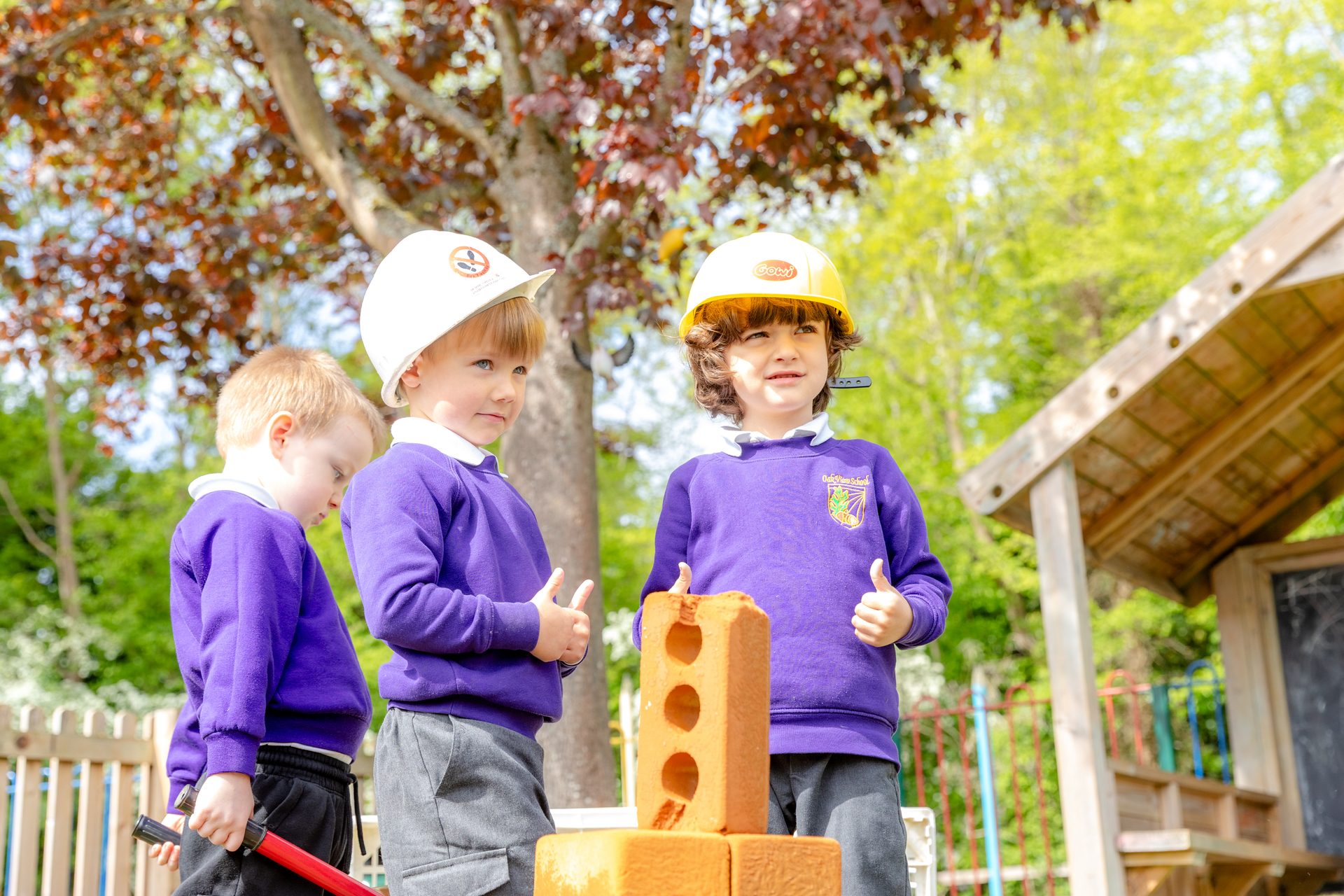
In KS1, our geography curriculum aims to ignite children’s natural curiosity about their immediate environment and the wider world. We focus on developing geographical knowledge, such as understanding local places, familiar landmarks and physical and human features. We want children to begin to develop awareness of different places and environments and start to build key geographical vocabulary.
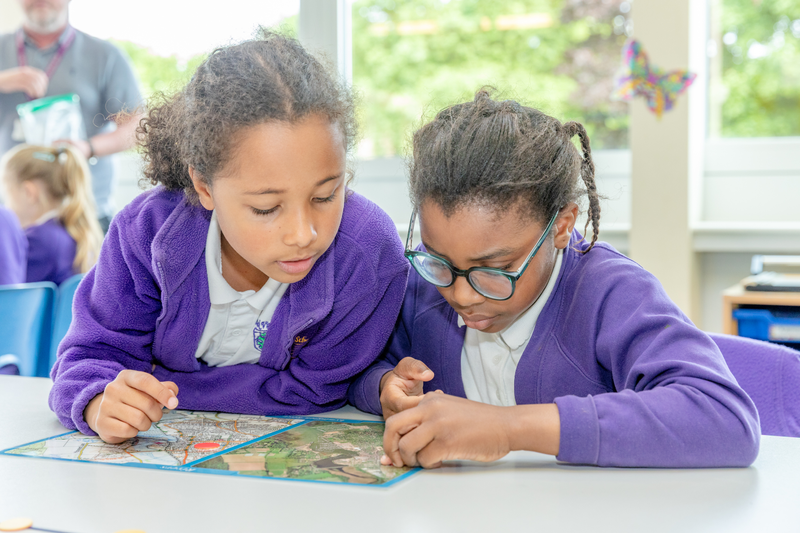
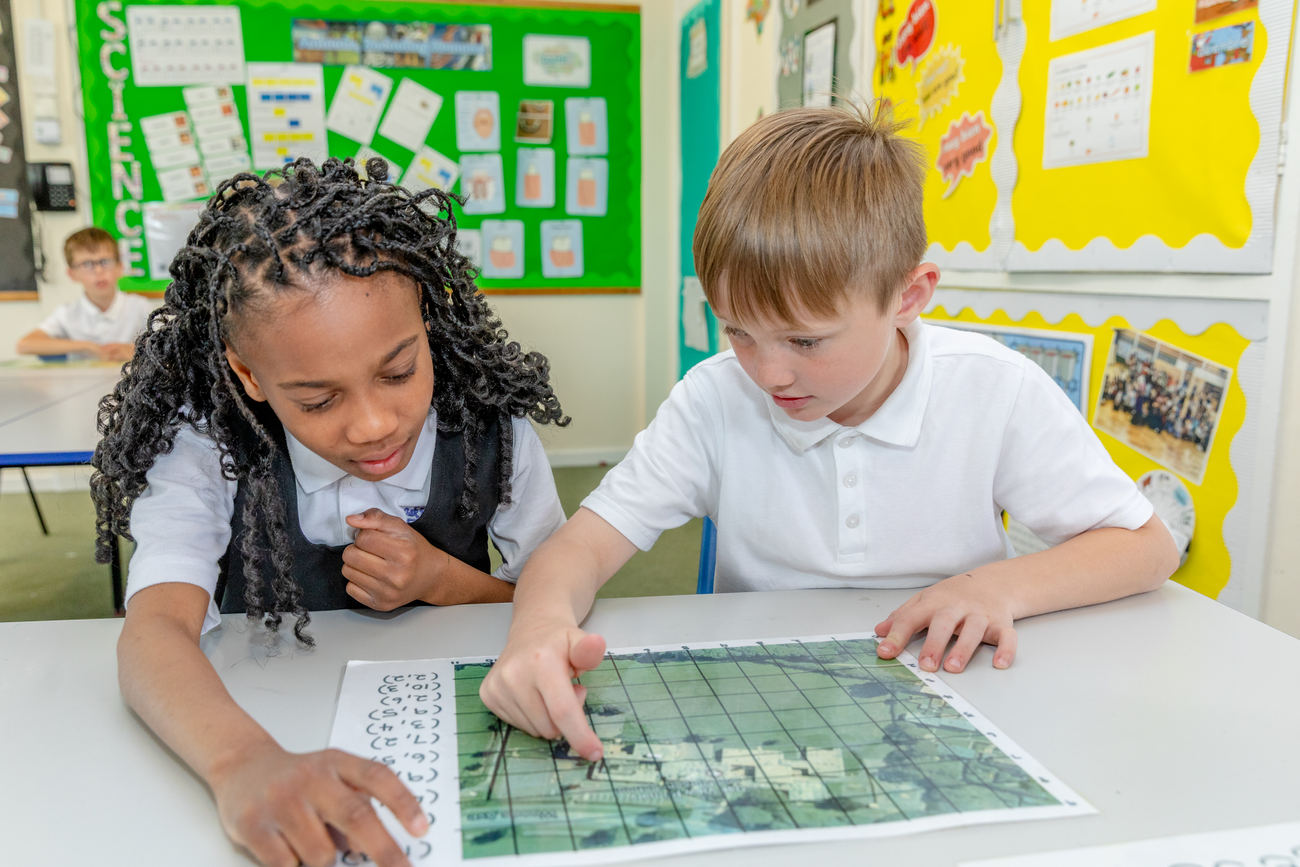
In KS2, our geography curriculum builds on prior knowledge to deepen pupils’ understanding of physical and human geography, global connections, and environmental issues. We intend to develop more complex skills such as interpreting maps, using atlases and digital tools, and conducting structured geographical enquiries. Pupils will be encouraged to think critically about how geography influences culture, economies, and the environment both locally and globally.
Implementation
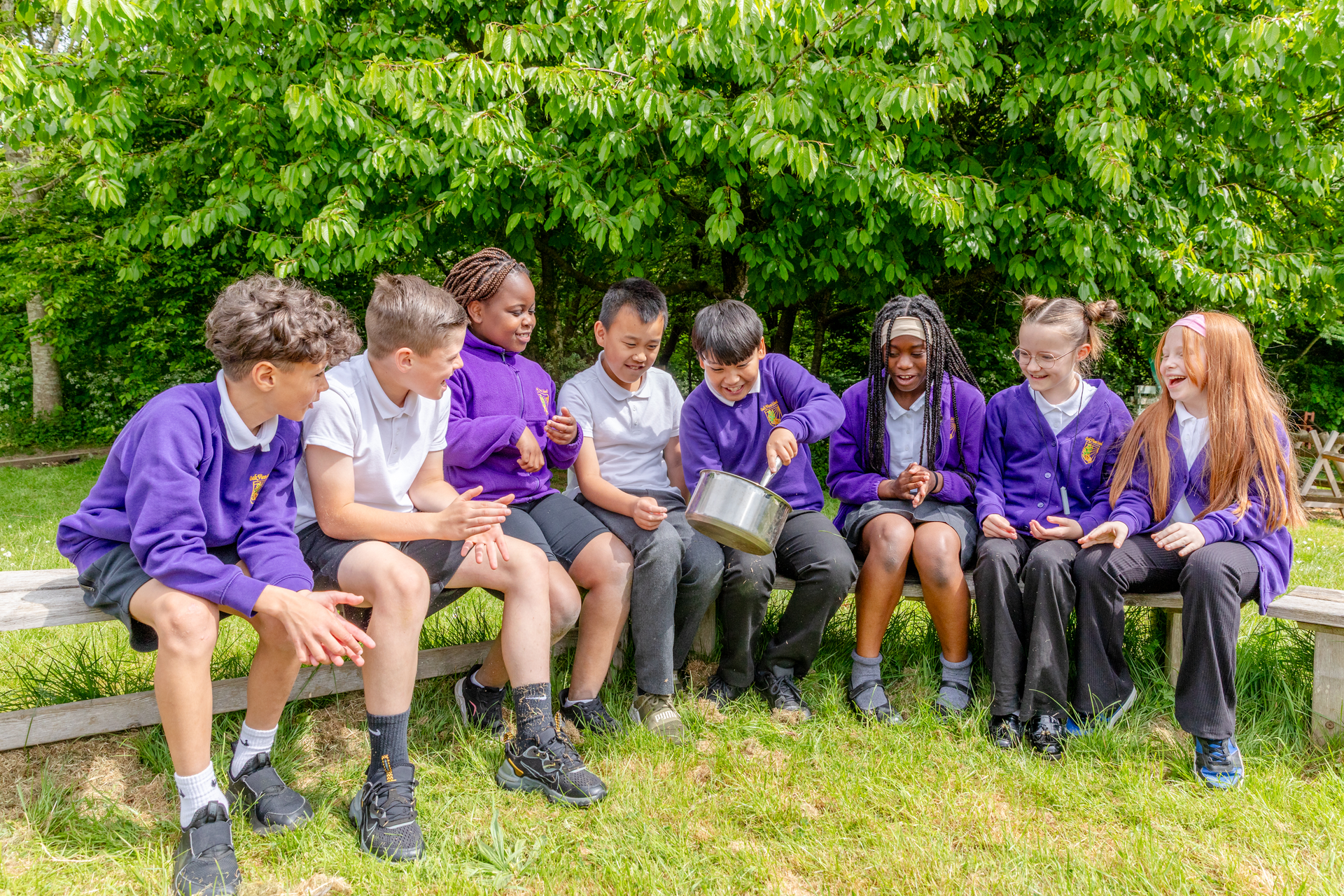
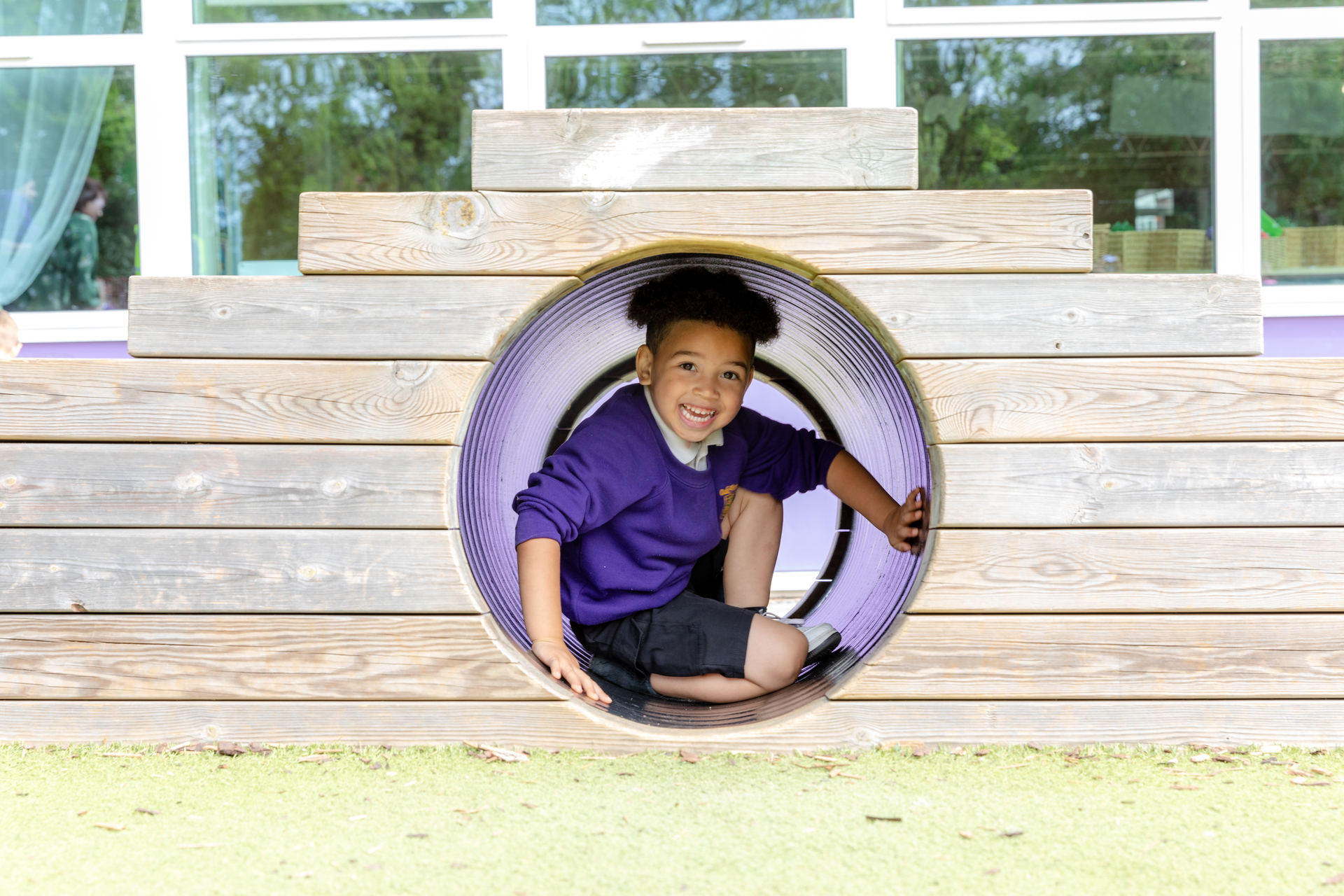
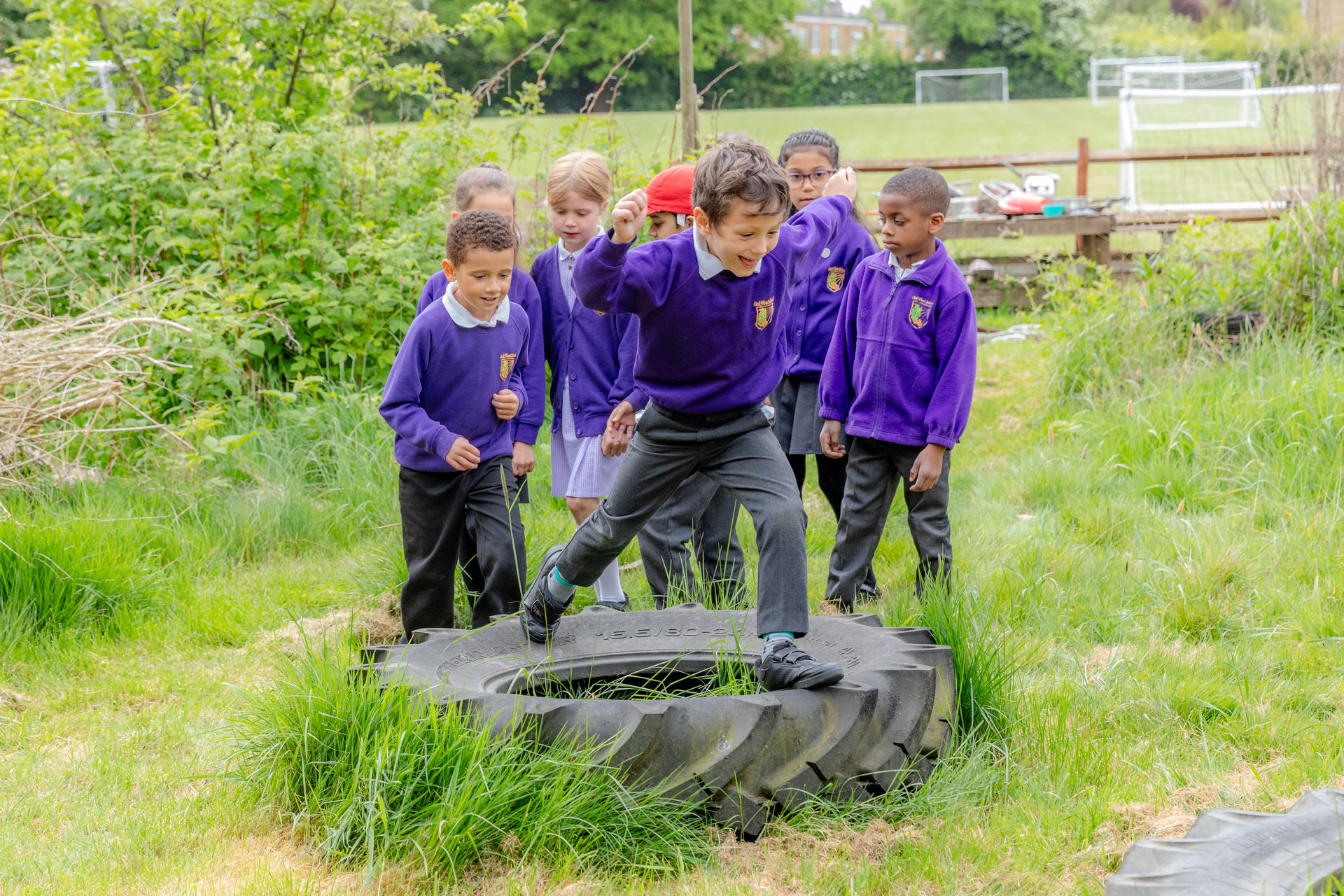
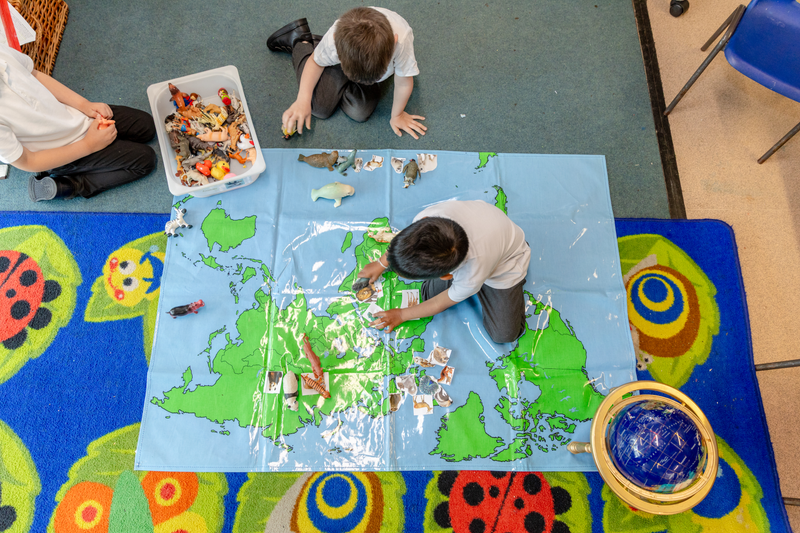
Geography in KS1 is taught through engaging activities, including exploring the school grounds and local area. Children use simple maps, pictures, and stories to understand locations and features. Lessons incorporate practical enquiry skills such as asking questions, making observations, and identifying similarities and differences. Cross-curricular links with history help deepen understanding and reinforce key concepts.
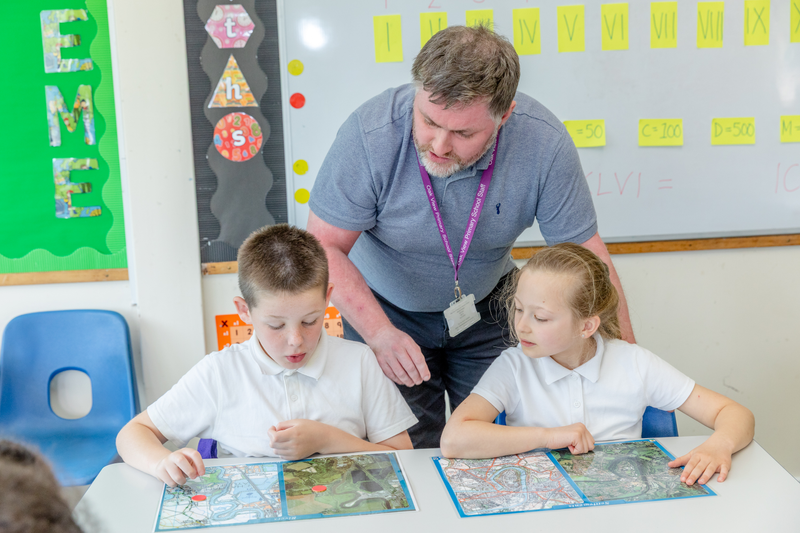
Geography lessons in KS2 are planned progressively to cover a wide range of topics including weather and climate, settlements, land use, and sustainability. Pupils undertake more detailed fieldwork and data collection, often using digital technologies for research and presentations. Teaching strategies include debates, projects, and collaborative investigations, alongside explicit skill-building in map reading and geographical analysis.
Impact
By the end of KS1, pupils confidently describe their local environment and can locate theirschool on a simple map. They show curiosity about different places and are beginning to usegeographical terms correctly. Children demonstrate growing skills in observation and enquiryand can communicate their ideas in discussions and simple tasks. Progress is evident throughincreasing independence in geographical tasks and enthusiastic participation in fieldwork andclass activities.
By the end of KS2, pupils have a secure understanding of diverse geographical concepts andcan confidently use maps, atlases, and digital resources to find and present information. Theydemonstrate the ability to carry out independent enquiries, analyse data, and reflect on humanimpact on the environment. Pupils show enthusiasm for geography and can explain complex ideas clearly, often linking their learning to real-world issues.